What is Thermoformed Packaging?
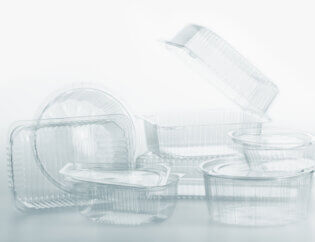
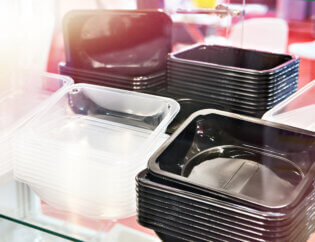
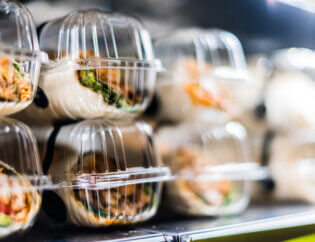
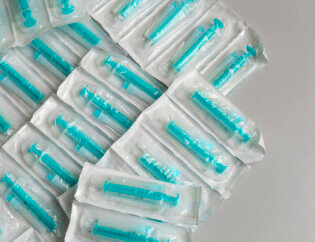
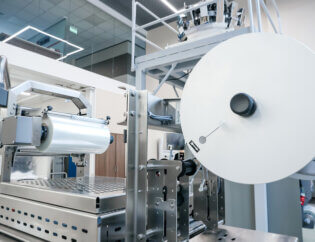
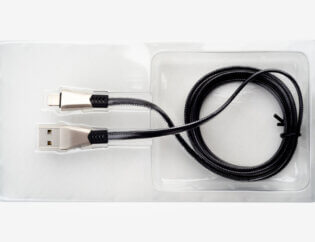
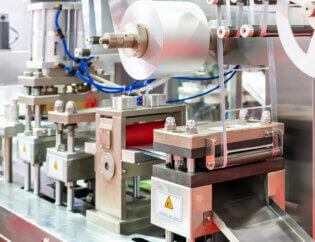
Thermoforming is a process that involves heating a plastic sheet until it becomes pliable, then forming it over a mold to create a specific shape. Once the plastic cools and hardens, it retains the shape of the mold. From there, it’s trimmed, resulting in a durable and precise packaging solution. This packaging design and manufacturing method is a cost-effective way to create large amounts of packaging at a time. Curious to know if it’s right for you? Learn about the steps of the process below.
Steps to Thermoformed Packaging Design
1. Consultation
Once you’ve decided which packaging manufacturer you want to work with, they’ll set up a consultation with you. This will help your team get an idea of your requirements and specifications. During this time, you’ll also talk through material options and give the design team a sense of what you’re looking for.
2. Competitive Research
When you leave the consultation, your team will get to work on competitive research. They’ll dive into how your product compares to similar products on the market. From there, they can offer helpful input for how to ensure your product stands out in the market.
3. Initial Design
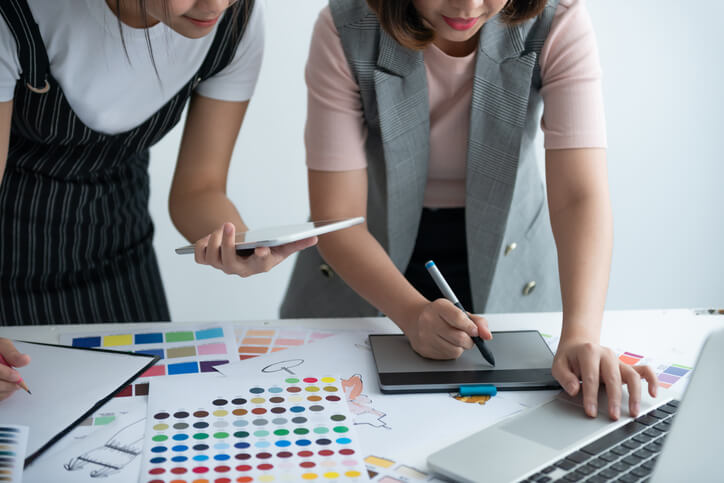
Using CAD software, the design team will create a mockup of the product. This will give an initial overview of what the packaging would look like.
4. Concept Review and Feedback
Once the initial design is completed, it can move into the concept review and feedback phase. At this time, the design team will show you renderings so you know how the intended product will look. You can provide feedback and tweak the design as needed before moving on to the next phase.
5. Tooling Design and Manufacturing
The design is then used to fabricate the mold, which is usually made from aluminum. It will be machined or cast to match the dimensions of the final product. When it goes into production, the heated plastic sheet will be positioned over the mold. Then, a vacuum will remove air and ensure the plastic conforms tightly to the mold’s shape. From there, it will be left to cool and will result in the final product.
6. Prototyping
The prototyping phase is an important part of the process. Your team will test the product and design before committing to full production. This phase will often involve iterative adjustments to optimize the product’s form, function, and manufacturability. Once the prototype meets all requirements and receives approval, the project will move forward to the production stage.
7. Mass Production
During the mass production phase, the full run of your packaging will be created. Once it’s complete, your manufacturing partner will send it to your facility or package your product in-house.
Work with Orange Packaging for Your Next Project
If you’re in need of custom packaging design, turn to the Orange Packaging team. With over 70 years of experience, we can help you design and manufacture the ideal packaging for your application, and we can even fulfill your products within our facility. With over 150,000 square feet of manufacturing space, we can take on even the biggest projects.
As a fourth-generation, family-owned and operated business, we do everything we can to ensure your needs are met. We operate with the utmost efficiency, getting you the right products, at the right time, for the right price.
Let’s Make Something Great Together
Want to learn more about how we can help you reach your goals? Contact our team for an initial consultation.