Sustainable Packaging Solutions are More Important than Ever
High-quality packaging is essential for nearly everything we buy. Not only does it protect the product, but it also functions as a crucial marketing tool. However, the dangers of continuing with our current packaging habits are real. According to the UN, 46% of plastic waste is landfilled, while 22% is mismanaged and becomes litter. When discarded, the pollution can harm marine wildlife, damage soil, poison groundwater, and cause serious health impacts.
Most plastic packaging created today can take up to 500 years to break down. And even then, it never fully disappears. It just gets smaller and smaller. Luckily, there’s a solution to this problem: biodegradable plastic packaging. Now, there is a safe bio-additive that can be put into plastic to help it break down faster, leaving no microplastics. That way, businesses can benefit from the protective properties of plastic without the environmental impact. In this blog, we’ll dive into what biodegradable packaging is, its benefits, and the material options you can choose from.
What is Biodegradable Packaging?
Simply put, biodegradable packaging is any form of packaging that will naturally disintegrate and decompose. Common types of biodegradable packaging materials include cornstarch, mushroom, seaweed, cellulose, and paper. These materials break down quickly, as opposed to the 500 years it takes for plastic to decompose. However, there is now a new technology that can help you reap the benefits of plastic packaging without the negative environmental effects.
Innovations in Biodegradable Thermoforming
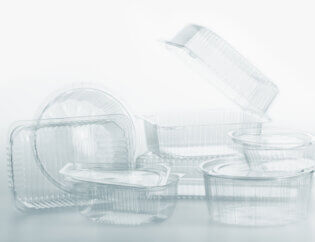
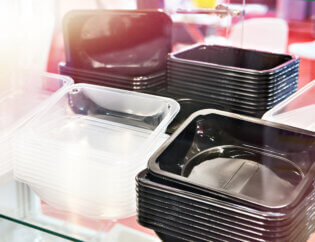
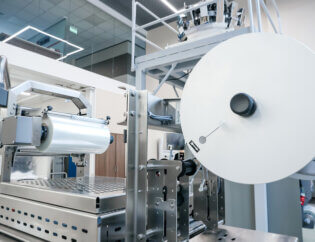
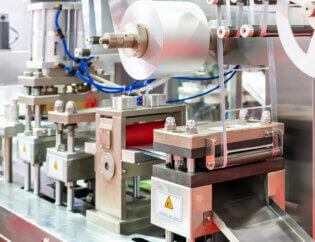
At Orange Packaging, we focus on creating high-quality thermoformed plastic packaging solutions for our clients. In short, we heat a plastic polymer before placing it over a mold. From there, we allow it to cool, and the plastic then takes that shape. Our solutions differ in the biodegradable technology we can add into our plastic. This allows the plastic to degrade within one to five years, leaving no microplastics behind.
Once disposed of, the polymer molecules are consumed by naturally occurring bacteria. Enzymes secreted by these bacteria hydrolyze the polymer chain, converting it into biogas, water, and biomass. This process returns essential nutrients to the Earth.
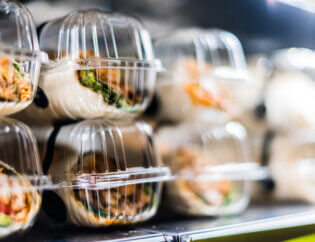
By incorporating our patented organic masterbatch pellets during the manufacturing process, plastic can now become a sustainable choice for many applications. From medical and food packaging to disposable items, we can do it all. This additive is 100% organic and FDA-certified, ensuring zero toxicity risk. It has successfully met all EU food safety requirements, as well.
Want to learn more about this technology? Read our in-depth blog.
Biodegradable Packaging Material Options
You may be wondering what kind of plastics this new additive is compatible with. Here are just some of the options you can choose from:
Polypropylene
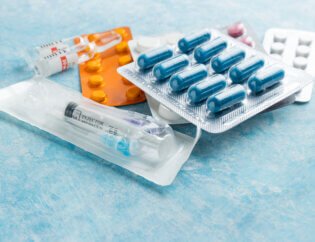
Polypropylene (PP) is known for its excellent durability and flexibility. It’s resistant to chemicals and moisture, which offers a reliable barrier for sensitive items. You may commonly find this in snack food and pharmaceutical packaging.
Polyethylene
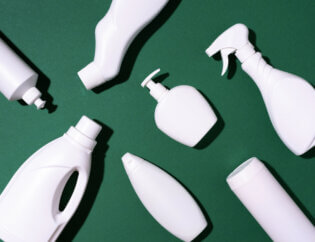
Polyethylene (PE) is a lightweight, versatile plastic used in a variety of packaging forms. Depending on its density, it can be tailored for flexible or rigid packaging solutions. This material is often used for plastic bottles.
Polyvinyl Chloride
Polyvinyl chloride (PVC) is a transparent, durable plastic commonly used for food, pharmaceutical, and household goods. It provides a strong barrier against oxygen, which can help extend the shelf life of perishable goods. However, traditional PVC has a limited recyclability factor compared to other materials.
Polyethylene Terephthalate
Polyethylene terephthalate (PET) is widely used in packaging for beverages, food, and personal care products. It’s highly recyclable and provides excellent protection against moisture and gasses.
Biaxially Oriented Polypropylene
Biaxially oriented polypropylene (BOPP) is a type of polypropylene that has been stretched in two directions. This makes it tougher and more resistant to wear and tear. You can commonly find BOPP in snack packaging, labels, and overwraps.
High-Density Polyethylene
High-density polyethylene (HDPE) is a strong, rigid plastic used for items like detergent bottles, milk jugs, and large containers. Because of its resistance to chemicals and impact, it’s best for storing harsh substances. Many manufacturers enjoy using HDPE because of its high recyclability factor.
Low-Density Polyethylene
Low-density polyethylene (LDPE) is softer and more flexible than HDPE. It’s lightweight and offers good barrier properties. It’s also recyclable but has lower strength compared to other materials.
Derivatives
Biodegradable packaging options can also extend to derivatives of PET, PVC, PE, and PP.
Is The Investment Worth it?
Of course, there will be an added cost to create biodegradable packaging. But, that doesn’t mean it will severely impact your bottom line. In fact, the investment might actually increase your profits. A recent survey found that consumers are willing to spend up to 9.7% more, on average, for sustainably produced or sourced goods. Though you may spend more on the initial investment, you can pass those costs onto the consumer because there’s a high demand for more sustainable packaging.
Additionally, you may gain loyal customers by switching to biodegradable packaging. About 44% of global consumers said they were more likely to buy from organizations with a clear commitment to sustainability. Another study found that companies that made environmental, social, and governance (ESG) initiatives clear averaged 28% cumulative growth over the last five-year period. Products that made no such claims only grew by 20%.
While it may be difficult to justify the initial cost of the biodegradable packaging, it could boost your brand in the long run. More importantly, it will help the environment when it needs it the most.
Work with Orange Packaging for Your Biodegradable Packaging Needs
If you’re looking for a biodegradable packaging option, turn to the Orange Packaging team. We’ll take care of everything from the initial design to the final shipment, so you can focus on growing your business. We can even pack your products in our 150,000-square-foot facility and get them into big box retailers. Since 1950, we’ve been innovating our processes, giving the best quality service to businesses like yours. Trust us to handle even the biggest, most complex projects.
Contact Us Today
Want to learn more about what we can do for you? Reach out to our team for an initial consultation.